Key Takeaways
- Telehealth for mental health offers remote therapy with more convenience, privacy, and reach.
- The benefits of telehealth for mental health include better engagement, faster access, and smoother follow-ups.
- Mental health providers can cut costs, simplify scheduling, and serve more clients.
- Wellness centers gain flexibility through hybrid care and group sessions.
- Digital health startups can scale quickly with AI tools, EHR integration, and secure virtual care.
- The best telehealth services for mental health in 2026 combine video, messaging, data tracking, and automation.
Table of Contents
Introduction
Mental health has become a top priority for individuals, workplaces, and communities. During the COVID-19 lockdowns, telehealth for mental health emerged as a lifeline. It provided safe and convenient access to care at a time when people needed it the most. What began out of necessity has now become the preferred choice for millions seeking therapy and support.
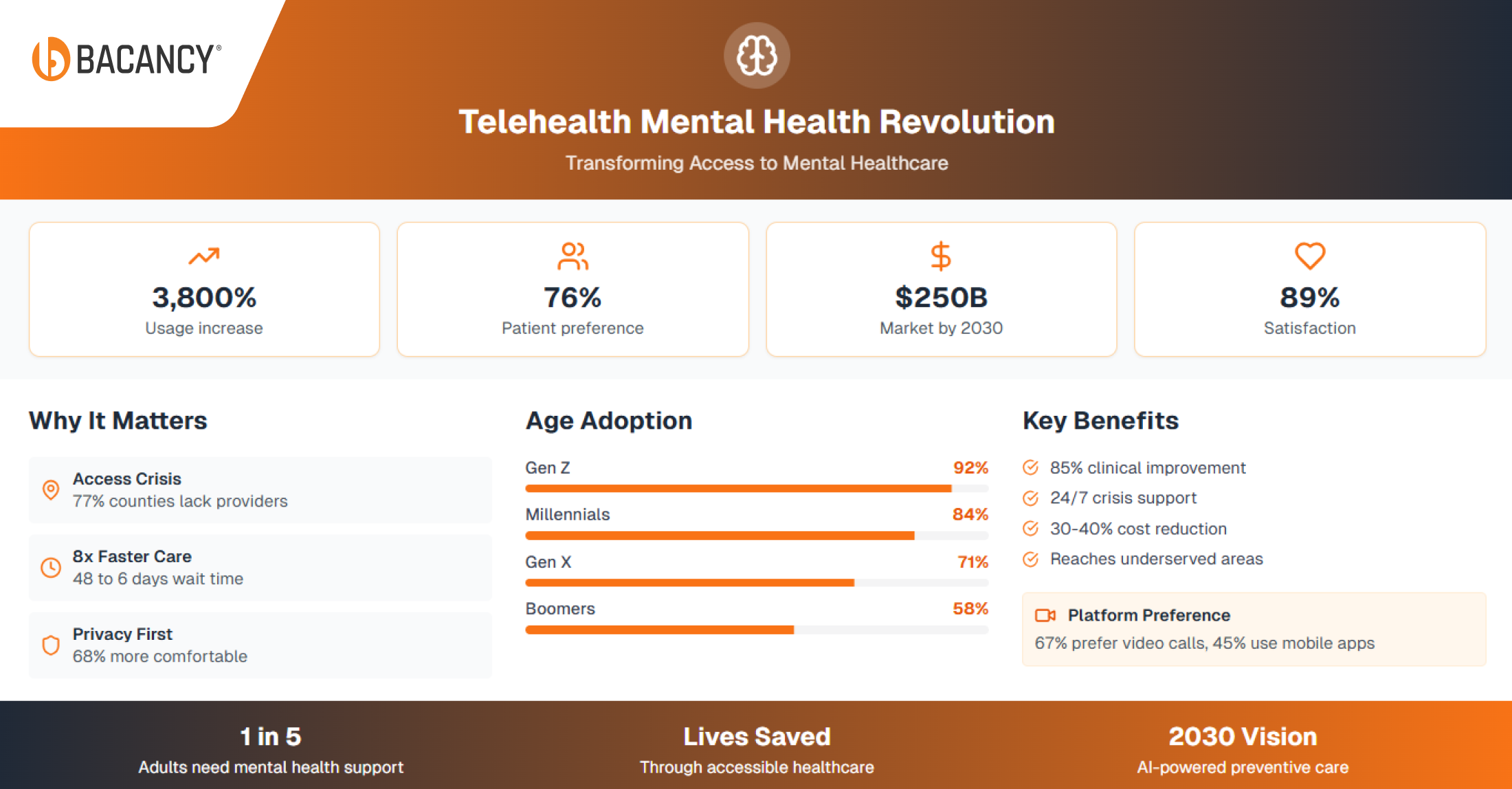
As per the reports, the global telehealth market is projected to grow from $186.41 billion in 2025 to $791.04 billion by 2032, with a CAGR of 22.9 percent. The statistics indicate how telehealth for mental health services plays a significant role in driving this growth.
In this blog, we will discuss how telehealth is transforming mental health care. From real-world use cases and key benefits to leading platforms and future trends, we’re covering everything you need to know.
Telehealth for Mental Health: Do You Use it Effectively?
Telehealth is a vital part of mental health care, but many providers still underuse its full potential. Using it effectively means more than offering video calls, it’s about delivering seamless, secure, and engaging care.
But are you using telehealth the right way? Several providers still use basic setups. To deliver real value, telehealth should include secure platforms, digital intake, AI support, and patient engagement tools.
To ensure you are maximizing its value, ask yourself:
Is your platform easy to access and HIPAA-compliant?
Are you using tools like digital forms, reminders, or AI triage?
Do patients stay engaged between sessions with self-help resources or progress tracking?
When telehealth is integrated with the right tools and workflows, it improves access, reduces no-shows, and enhances outcomes. If not optimized, it can feel like a missed opportunity for both patients and providers.
Top 5 Benefits of Choosing Telehealth for Mental Health
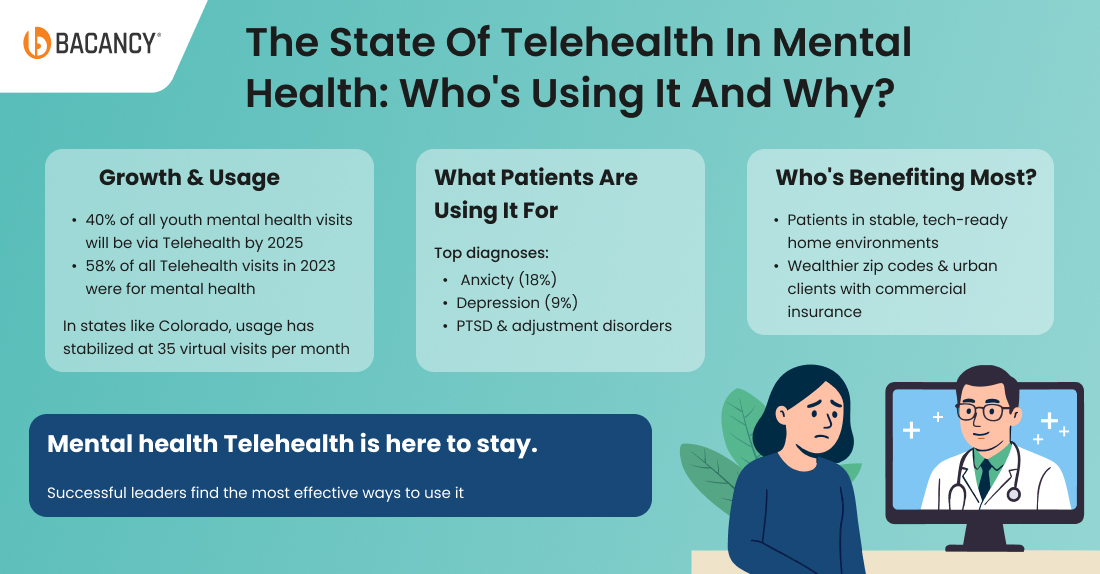
Telehealth for mental health has brought numerous advantages with its convenience, accessibility, consistency, and personalization. The following are the benefits of telehealth for mental health:
1. Boost Accessibility
You can easily connect patients and therapists from anywhere. This removes barriers like transportation, distance, and provider shortages.
2. Greater Flexibility and Convenience
Telehealth fits into busy schedules. Hence, patients can attend sessions from home, work, or even while traveling.
3. Higher Patient Engagement
With digital tools like mobile apps, progress tracking, and therapy reminders, patients and healthcare organizations stay more involved in their care.
4. Reduced No-Shows and Cancellations
Virtual sessions reduce the chance of missed appointments, which help both patients and providers to stay consistent and connected with each other.
5. Better Continuity of Care
Patients can continue therapy without breaks regardless of any situation, which leads to more stable outcomes and enhances mental health assessments.
Best Telehealth Services for Mental Health Providers in 2026
With the rising demand for remote mental health care, choosing the right telehealth platform is critical. Each tool offers unique features tailored to solo practitioners, group practices, or digital health startups. Below are the top telehealth platforms in 2026 and how they support mental health providers.
1. SimplePractice
SimplePractice offers an all-in-one solution for mental health providers. It includes secure video sessions, digital intake forms, appointment scheduling, billing, and even a client portal. The interface is beginner-friendly and doesn’t require technical skills to get started.
Key features:
HIPAA-compliant video calls
Integrated calendar and reminders
Online payments and superbills
Customizable Subjective, Objective, Assessment, and Plan (SOAP) notes and progress tracking
Best for: Solo practitioners and private therapists
TheraPlatform is designed with therapists in mind, offering powerful tools for individual and group sessions. It includes interactive whiteboards, screen sharing, assessments, and built-in EHR functionality. It is great for providers who want more than just video calls.
Key features:
Group therapy and interactive tools
EHR integration and charting
Built-in telepsychiatry tools
Secure document sharing
Best for: Small wellness teams and group practices
3. Teladoc Health
Teladoc Health is a global leader in telemedicine, offering robust infrastructure for larger practices and digital health platforms. It’s ideal for organizations looking to scale with multilingual support, AI integrations, and data analytics for better clinical decisions.
Key features:
Enterprise-level telehealth platform
Integrated analytics and patient insights
Multi-specialty and global language support
Scalable API access for custom health apps
Best for: Enterprise clinics and scalable health systems
4. BetterHelp
BetterHelp connects users to licensed therapists quickly through its mobile-first experience. While it’s known as a direct-to-consumer brand, many professionals partner with BetterHelp to expand their reach. Ideal for therapists offering part-time or flexible care.
Key features:
Automated client matching
Unlimited messaging and weekly video calls
Mobile-first platform
Therapist network expansion opportunities
Best for: On-demand therapy and large client volumes
Want to Develop Telehealth for Mental Care Applications?
As a trusted telemedicine app development company, we help you create scalable and secure telehealth for mental care solutions. Our team of experts tailors user-centric platforms that streamline virtual therapy, are HIPAA-compliant, ensure data privacy, and enhance patient-provider communication.
What are the Operational Efficiency & Cost Savings with Telehealth?
Telehealth improves patient care and makes mental health practices more efficient and cost-effective. With the right systems, clinics and therapists can save time, reduce overhead, and streamline daily operations.
Key operational and financial benefits of using the best telehealth services for mental health:
1. Lower Overhead Costs
Fewer in-person visits lead to less need for office space, waiting rooms, and front-desk staff, which reduces monthly and overall expenses significantly.
2. Simplified Intake and Billing
Digital forms, automated documentation, and EHR-integrated billing reduce admin time and minimize errors in claims or records.
3. Streamlined Clinical Workflows
AI-powered triage tools and digital assessments help prioritize care, flag high-risk patients, and reduce therapist burnout.
4. Scalable Service Delivery
Therapists can serve more clients without increasing physical capacity, making it easier to grow without large investments.
5. Improved Time Management
With automated reminders and virtual check-ins, scheduling and follow-ups require less manual effort, freeing up staff and clinician hours.
Challenges in Telehealth for Mental Health and Smart Solutions
While telehealth has transformed mental health care, it also comes with unique challenges and hurdles. Here’s how providers can overcome common issues and improve virtual care delivery:
1. Screen Fatigue for Clients and Therapists
Long hours of back-to-back video sessions can cause mental exhaustion. It affects focus, reduces emotional presence, and increases the risk of burnout for you and your clients.
What you can do:
- Add short breaks between sessions to protect energy.
- Offer audio-only or phone sessions as alternatives.
- Use secure messaging tools for lighter touchpoints between full sessions.
- Recommend blue light filters or dark mode for screen relief.
2. Lack of Privacy at the Client's Home
Many clients don’t have a private space to talk freely. Living with family or roommates makes it difficult for them to feel safe, especially during sensitive discussions.
What you can do:
- Suggest headphones, white noise apps, or privacy screens.
- Recommend low-traffic times for scheduling sessions.
- Encourage creative private spaces, like a parked car or quiet workspace.
- Use encrypted platforms that prioritize client confidentiality.
3. Legal and Insurance Confusion Across Regions
Offering care across states or countries brings licensing rules, billing policies, and data regulations that can slow down your operations or put you at risk.
What you can do:
- Choose telehealth platforms with built-in legal and insurance support.
- Stay updated with region-specific licensing and reimbursement guidelines.
- Standardize consent forms, session notes, and billing workflows.
- Assign a compliance lead or use a trusted partner to track regulation changes.
Success Spotlight: How Bacancy Helped a Mental Health Startup Grow with Telehealth
When a mental health startup came to us overwhelmed with no-shows, slow onboarding, and burned-out therapists, we knew technology alone wouldn’t solve it. They needed the right telehealth solution that fit their workflow and pace of growth.
We partnered with their team to build a system that improved care efficiency, client engagement, and therapist support. Here’s what happened next:
➙The Core Challenge
A rapidly expanding mental health startup was struggling to keep up with demand. It included key issues such as:
Delayed patient onboarding
High no-show rates disrupting schedules
Therapist overload affecting care quality
Inconsistent patient engagement
➙Our Dynamic Approach
Bacancy developed a custom telehealth solution designed around the startup’s needs. The platform included:
AI-based triage for faster patient routing
Automated appointment reminders to reduce no-shows
EHR integration to streamline workflows
Scalable infrastructure to support growth
➙The Results We Got
40% faster patient intake process
30% reduction in missed appointments
25% improvement in therapist availability
Better treatment consistency and patient satisfaction
Why Did It Work?
Our team addressed delayed onboarding, frequent no-shows, and therapist burnout with a solution built for their workflow. Choosing the right platform improved care, reduced pressure on providers, and set a strong foundation for sustainable growth.
Choosing the Right Telehealth Platform for Your Mental Health Practice
Not all telehealth platforms are created equal. The right tool should support secure, seamless, and scalable care while saving you time. Use this checklist to evaluate what your practice really needs:
Essential features to look for:
□ HIPAA or GDPR compliance to protect patient privacy
□ User-friendly interface for both patients and providers
□ EHR integration for smooth documentation and billing
□ Secure video conferencing with screen sharing and chat
□ Automated scheduling and reminders to reduce no-shows
□ Support for group sessions or multiple therapists
□ Mobile access so clients can connect from anywhere
□ AI tools for triage, progress tracking, or client engagement
□ Analytics and reporting to track outcomes and performance
Choosing the right platform ensures better patient experience, streamlined operations, and long-term growth for your mental health practice.
What does the Future of Telehealth in Mental Health Care Bring?
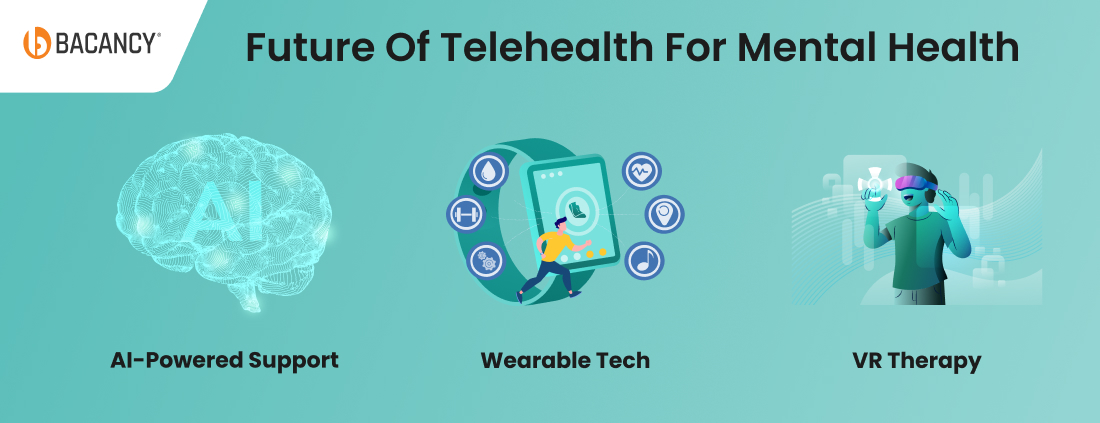
Telehealth is evolving fast, and mental health care is at the forefront of innovation. As technology advances, providers will have new ways to deliver more personalized, data-driven, and engaging care experiences.
1. AI-Powered Support and Triage
AI tools can assess patient mood, prioritize urgent cases, and offer 24/7 chat-based support, helping therapists manage caseloads more efficiently.
2. Wearable Tech Integration
Smartwatches and biosensors can track sleep, heart rate, and stress levels, giving therapists real-time insights into a patient’s mental wellness between sessions.
3. Emerging VR Therapy Modalities
Virtual Reality (VR) therapy offers immersive treatments for anxiety or PTSD. Asynchronous care, like message-based check-ins and digital group therapy, is becoming more accessible.
How Telehealth Enables Clinic Growth and Scalability
Telehealth creates new opportunities for mental health clinics to expand their reach, grow their client base, and scale services without increasing physical infrastructure.
1. Expanding Into Underserved Markets
Virtual care allows providers to reach patients in rural or remote areas. It also makes it easier to specialize in niche mental health services, such as trauma care, youth counseling, or neurodiverse support.
2. Supporting Group Sessions and Remote Teams
Telehealth platforms make it simple to host virtual group therapy, manage distributed care teams, and operate in hybrid models. This flexibility supports growth while keeping overhead low.
3. Enabling Scalable, Outcome-Based Care
With built-in tools for progress tracking, digital assessments, and care metrics, providers can scale their services while continuously improving patient outcomes.
Telehealth allows mental health practices to grow sustainably, serve more people, and deliver high-quality care cost-effectively.
Why Telehealth is the Business Growth Engine for Mental Health Providers
Telehealth is a result-driven solution for mental health professionals who want to expand their reach, serve more clients, and improve care delivery. Whether you run a wellness center or lead a digital health startup, telehealth for mental health offers a smart way to lower overhead and improve access without adding more physical space.
As a reliable healthcare web development company, we build custom web platforms aligned with your care delivery goals. From secure video consultations and real-time chat to intelligent triage tools and EHR integrations, our solutions empower care teams to collaborate better, reach more patients, and scale easily.
Whether you plan to launch a new therapy app or modernize your current platform, we provide the right tech, clear strategy, and expert support to help you move forward efficiently.
Frequently Asked Questions (FAQs)
Telehealth in mental health care provides therapy, counseling, and psychiatric services remotely using secure video calls, apps, or online platforms.
Yes, studies show that telehealth can be just as effective as in-person therapy for many mental health conditions, especially when supported by the right tools and engagement strategies.
Popular platforms in 2026 include SimplePractice, TheraPlatform, Teladoc Health, and BetterHelp. Each offers secure video sessions, scheduling, billing, and patient management features.
Telehealth reduces overhead costs, streamlines documentation and billing, and helps therapists manage caseloads with AI-based triage and automated workflows.
Yes, most leading telehealth platforms are HIPAA or GDPR compliant. Always choose platforms with end-to-end encryption and strong data protection features.